

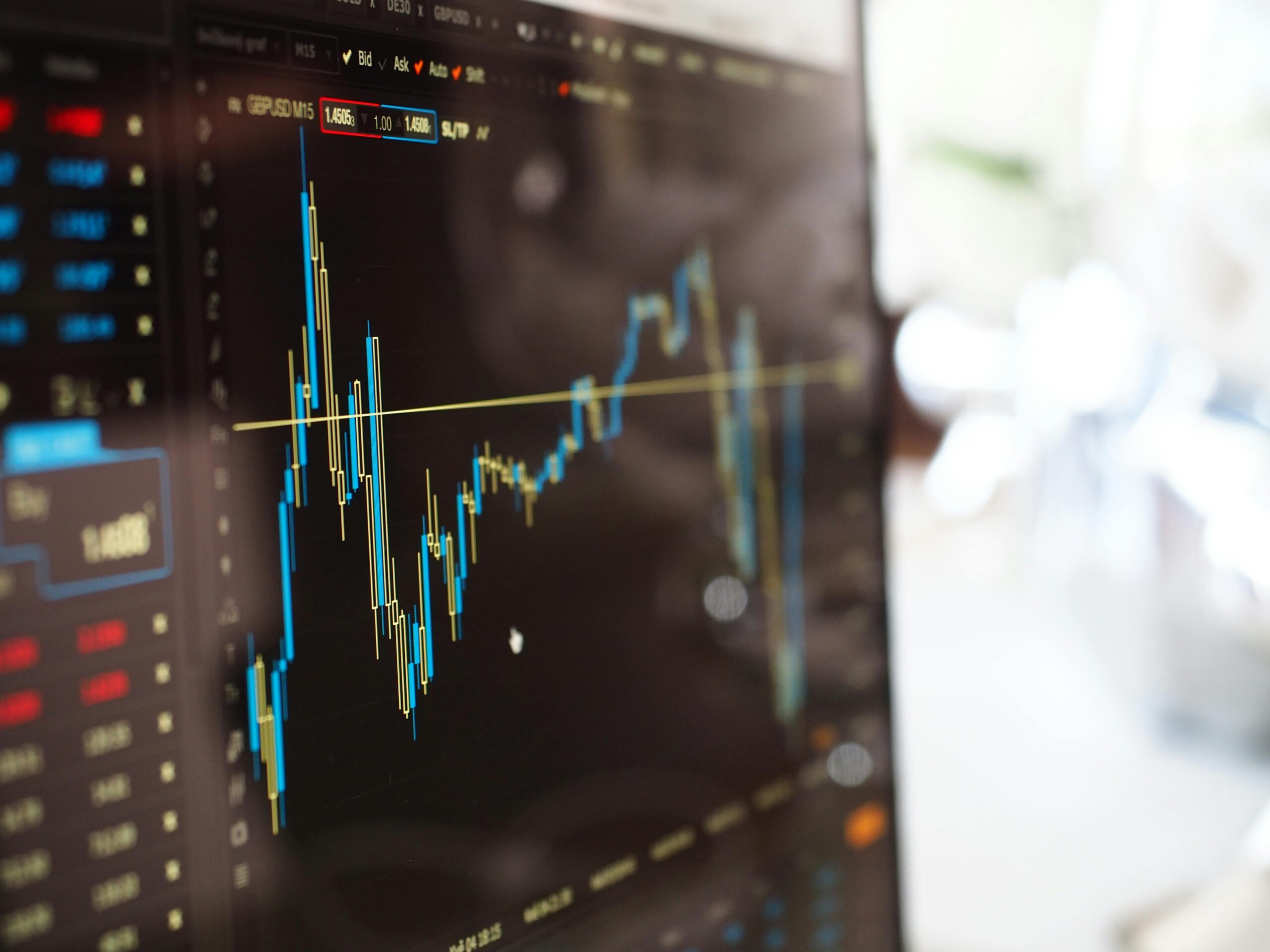
The financial markets have undergone a tremendous transformation over the years. Gone are the days when traders relied solely on intuition, experience, and manual processes to make investment decisions. Enter algorithmic trading (algo trading) — a game-changing innovation that leverages technology to execute trades at lightning speed with unparalleled precision. Once reserved for large institutions, algo trading has now gained popularity among retail traders, opening up a world of opportunities for everyone. So, what makes algo trading so powerful, and how can you get started? Let’s dive in.
What is Algorithmic Trading?
Algorithmic trading involves using computer programs and predefined algorithms to execute trades automatically. These algorithms analyze market data, identify opportunities, and place trades based on specific criteria, such as price, timing, or volume. By eliminating the need for human intervention, algo trading reduces errors, enhances efficiency, and allows traders to capitalize on opportunities that manual trading might miss.
Why is Algo Trading Significant?
In today’s fast-paced financial markets, speed and accuracy are crucial. Algo trading enables traders to execute transactions in milliseconds, outpacing human capabilities. Moreover, it removes emotional biases from the trading process, ensuring decisions are based purely on data and strategy. This approach not only levels the playing field but also opens new avenues for innovation and growth in the financial sector.
Key Benefits of Algo Trading
- Speed: Algorithms can process vast amounts of data and execute trades in real-time, giving traders a competitive edge.
- Precision: Automated systems follow predefined rules, minimizing errors caused by human judgment.
- Emotion-Free Trading: By eliminating emotional decision-making, algo trading ensures disciplined and consistent execution.
- Backtesting Capabilities: Traders can test strategies on historical data to evaluate their effectiveness before deploying them in live markets.
- Cost-Effectiveness: Automation reduces transaction costs and the need for constant monitoring.
Types of Algorithmic Strategies
- Trend-Following Algorithms: These strategies analyze market trends, such as moving averages, to identify buying or selling opportunities.
- Arbitrage Strategies: Algorithms exploit price differences between assets across different markets for risk-free profit.
- Market-Making Algorithms: These involve placing both buy and sell orders to profit from the bid-ask spread.
- Statistical Arbitrage: Advanced models identify mispricings between related assets for short-term gains.
- High-Frequency Trading (HFT): Ultra-fast algorithms execute thousands of trades in a fraction of a second to capitalize on minute price movements.
Essential Tools and Technologies
To embark on your algo trading journey, you’ll need the following:
- Programming Skills: Languages like Python, R, or C++ are essential for building and optimizing algorithms.
- APIs: Application Programming Interfaces connect your algorithms to trading platforms and data feeds.
- Data Sources: Access to high-quality historical and real-time market data is critical for strategy development and execution.
- Trading Platforms: Platforms like AlgoTest, Zerodha Streak, and Quantiply offer robust environments for algo trading.
- Backtesting Frameworks: Tools like PyAlgoTrade and Backtrader allow you to test strategies on historical data.
Risks and Challenges
While algo trading offers numerous advantages, it’s not without its risks:
- Backtesting Limitations: Past performance is not always indicative of future results.
- Over-Optimization: Overfitting strategies to historical data can lead to poor real-world performance.
- Market Volatility: Sudden market shifts can render algorithms ineffective.
- Technical Failures: Bugs, connectivity issues, or server downtime can disrupt trading.
- Regulatory Compliance: Adhering to legal and ethical standards is essential to avoid penalties.
Real-World Success Stories
Algo trading has been instrumental in some remarkable achievements. For instance, Renaissance Technologies, a hedge fund known for its Medallion Fund, has consistently delivered outstanding returns using sophisticated algorithms. Retail traders have also benefited by leveraging algo trading to automate strategies and enhance their trading efficiency.
For beginners eager to explore algo trading, here are a few practical tips:
- Learn to Code: Familiarize yourself with programming languages like Python and start building simple algorithms.
- Understand Market Patterns: Study technical analysis, market trends, and trading strategies.
- Start Small: Use paper trading to test your strategies without risking real money.
- Stay Updated: Follow industry trends and continually refine your skills.
- Seek Community Support: Join online forums, attend webinars, and collaborate with fellow traders to exchange ideas.
Algorithmic trading represents the future of finance, offering unprecedented opportunities for innovation and growth. With the right tools, knowledge, and discipline, anyone can unlock its potential. Ready to start your algo trading journey? Subscribe to our newsletter for expert tips, strategies, and insights tailored to help you succeed.